What should be included in a winter roofing preparation guide?+
A winter roofing preparation guide should cover inspections of shingles, flashing, gutters, insulation, and ventilation, as well as steps to reduce ice dam risk.
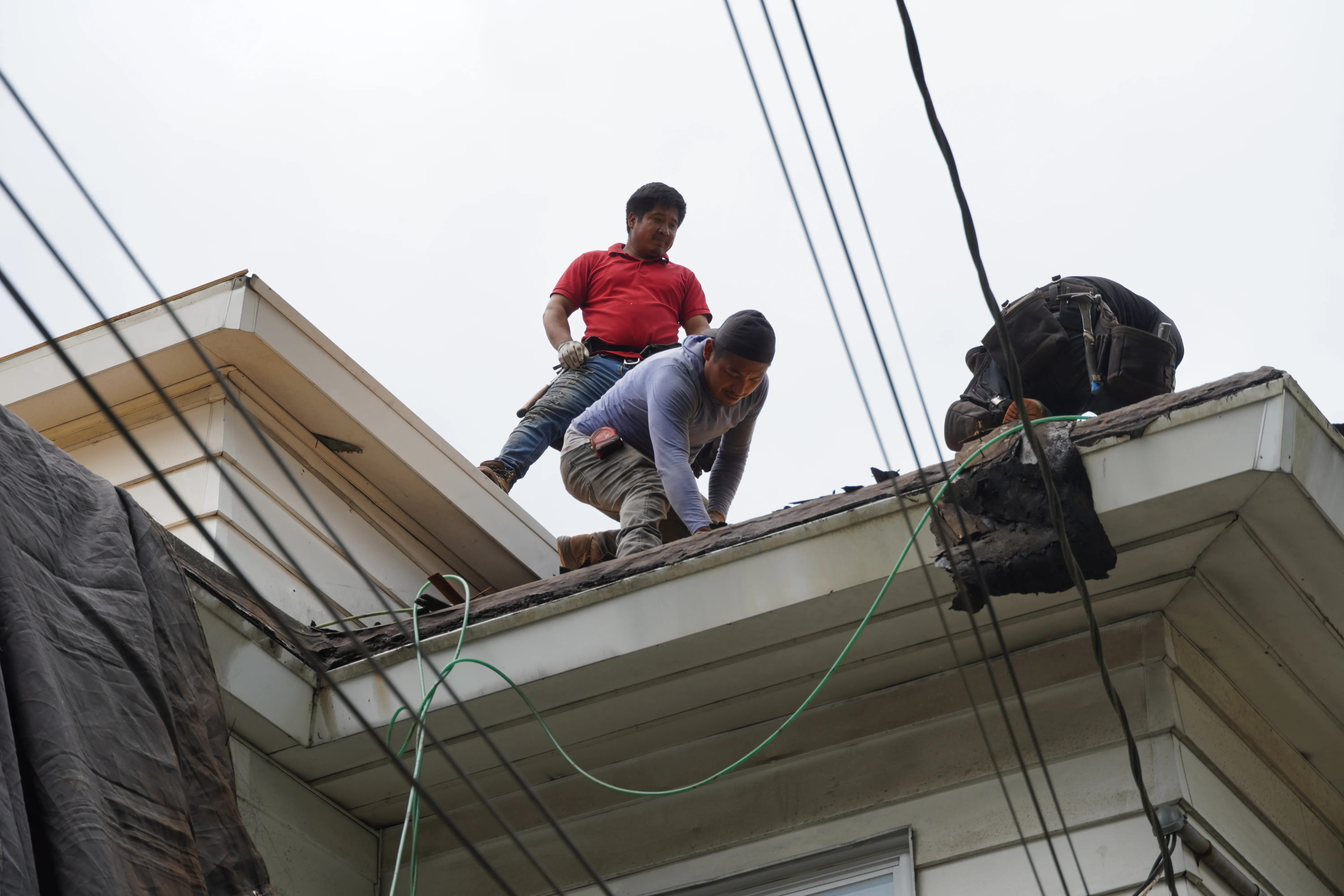

Seasonal weather in the Northeast can be demanding on residential roofs. From heavy snow loads in winter to strong storms and sudden temperature shifts, roofs in New Jersey and New York City face conditions that can expose small issues before homeowners realize there is a problem. Preparing your roof ahead of time is one of the most effective ways to reduce damage, prevent emergency leaks, and extend the life of your roofing system.
This winter roofing preparation guide outlines what homeowners should check before winter and storm seasons arrive. It focuses on practical inspection steps, common cold-weather risks such as ice dams, and how local climate conditions in NJ and NYC affect roofing performance. Koi Roofing and Solar works with homeowners who want clarity around seasonal readiness and realistic maintenance planning.
Homes in NJ and NYC experience a wide range of weather conditions, including snowstorms, freezing rain, high winds, and rapid freeze-thaw cycles. These conditions place repeated stress on roofing materials and flashing.
Without proper preparation, small vulnerabilities can lead to water intrusion, heat loss, or structural damage during winter or storm events.
Many emergency roofing calls occur during winter storms, when access and repair options are limited. A seasonal inspection can identify potential issues early, reducing the risk of emergency leaks when conditions are unsafe for repairs.
Snow accumulation adds significant weight to a roof. While most modern roofs are designed to handle expected snow loads, uneven buildup or blocked drainage areas can increase stress.
Flat and low-slope roofs, in particular, are more vulnerable to snow-related issues if drainage paths are obstructed.
Ice dams form when heat escapes from the home, melting snow on the roof that refreezes near the eaves. This ice buildup prevents proper drainage and can force water under shingles.
Ice dams are one of the most common causes of winter roof leaks in NJ and NYC homes.
Repeated freezing and thawing can cause roofing materials to expand and contract. Over time, this movement can loosen shingles, crack flashing, and weaken seals around vents and chimneys.
Look for missing, cracked, curling, or loose shingles. Even minor damage can allow moisture intrusion during storms or snowmelt.
Pay close attention to roof valleys, ridgelines, and edges, as these areas experience higher water flow.
Flashing around chimneys, skylights, vents, and roof intersections is critical for keeping water out. Damaged or deteriorated flashing is a common source of leaks.
Sealants should be intact and flexible, not cracked or brittle.
Clogged gutters can cause water to back up onto the roof, increasing the risk of ice dams and water intrusion.
Ensure gutters and downspouts are clear of leaves and debris before winter arrives.
Proper insulation and ventilation help regulate roof temperature, reducing the risk of ice dams. Uneven heat distribution in the attic is often a contributing factor to winter roof problems.
Strong winds can lift loose shingles or dislodge poorly secured materials. Storm preparation includes checking for areas where wind uplift could occur.
Trim nearby tree branches that could fall onto the roof during storms.
Heavy rain requires efficient drainage. Ensure that roof drains, gutters, and scuppers are functioning properly, especially on flat or low-slope roofs.
Poor drainage increases the likelihood of leaks and structural stress during prolonged storms.
Water stains on ceilings or walls, musty odors, and visible moisture in the attic are early indicators of roof leaks. Addressing these signs before winter can prevent larger problems.
If a leak occurs during a storm, temporary containment such as buckets or plastic sheeting can help minimize interior damage until professional repairs are possible.
Knowing who to contact for emergency roofing support is part of seasonal preparedness.
For homeowners considering solar, roof condition is especially important. Installing solar panels on a roof that needs repair can complicate future maintenance.
Koi Roofing and Solar evaluates roof readiness before solar installations, ensuring that seasonal risks are addressed beforehand.
Snow coverage can temporarily reduce solar production. Proper panel placement and roof design help minimize buildup and allow snow to shed naturally.
Homes near the coast may face higher wind exposure and salt air, which can affect roofing materials over time. Urban buildings may experience heat retention that contributes to ice dam formation.
Seasonal preparation should account for these localized factors.
Many NJ and NYC homes have older roofing systems or historic construction. These roofs may require additional attention to flashing, insulation, and drainage.
A tailored inspection is more effective than a general checklist alone.
A full inspection in late fall allows time for repairs before freezing temperatures arrive. This is the most critical seasonal check for Northeast homeowners.
After major storms, a visual inspection can help identify damage early. Even if no leaks are visible, wind or debris impact may have caused hidden issues.
While homeowners can perform basic visual checks, some issues are not easily visible from the ground. Walking on a roof during cold or wet conditions can also be unsafe.
Professional inspections provide a more thorough assessment and help prioritize repairs.
For homeowners planning long-term upgrades, coordinating roofing maintenance with energy improvements can reduce future disruptions. Koi Roofing and Solar provides guidance that considers both roofing integrity and solar readiness.
Seasonal roofing preparation is not just about preventing immediate damage. It is about protecting your home from long-term wear caused by winter and storm conditions common in NJ and NYC. A clear checklist, awareness of local climate risks, and timely inspections can significantly reduce unexpected repairs.
This seasonal roofing checklist provides homeowners with a practical framework for winter readiness. By addressing snow loads, ice dams, and drainage concerns early, homeowners can face winter and storm seasons with greater confidence.